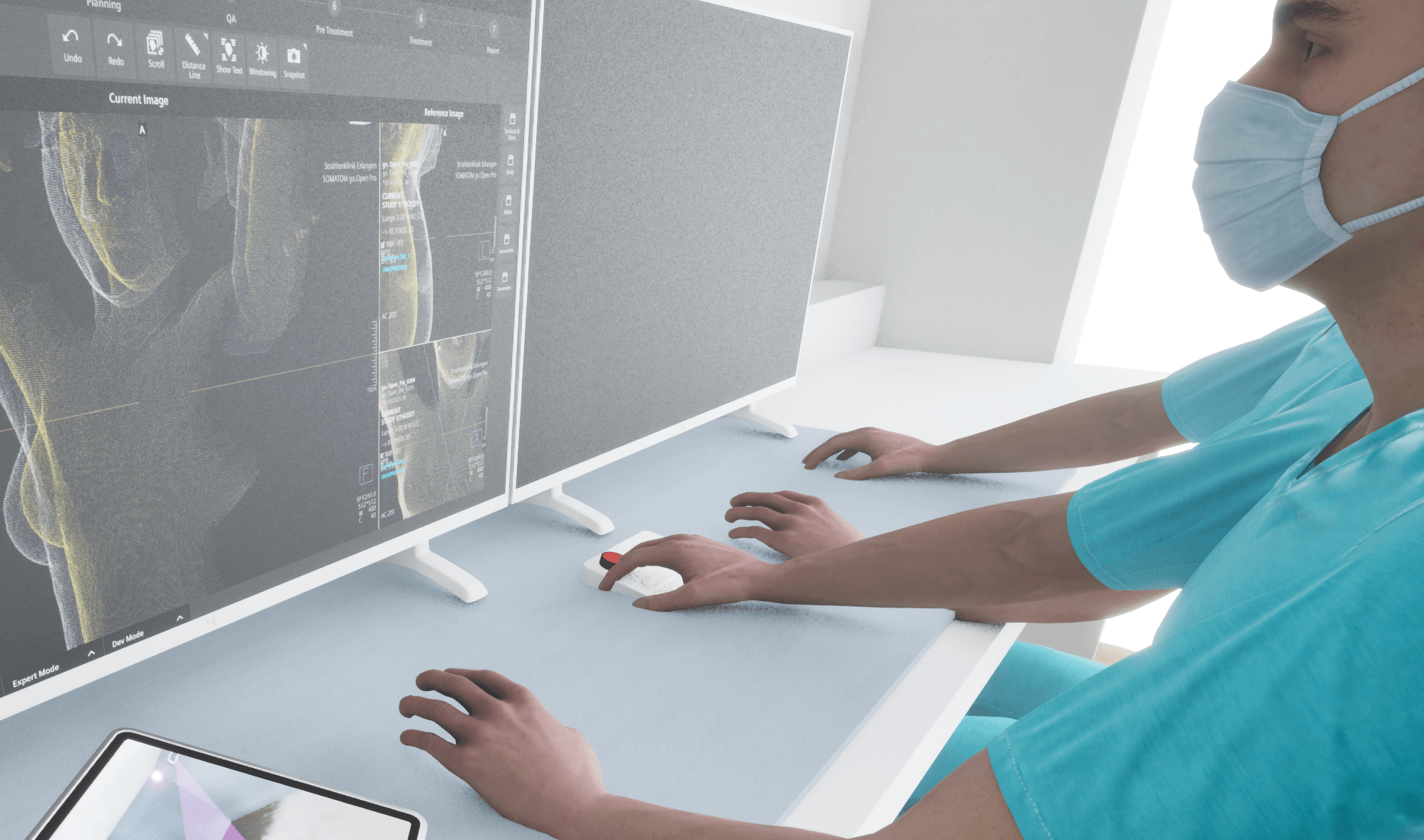
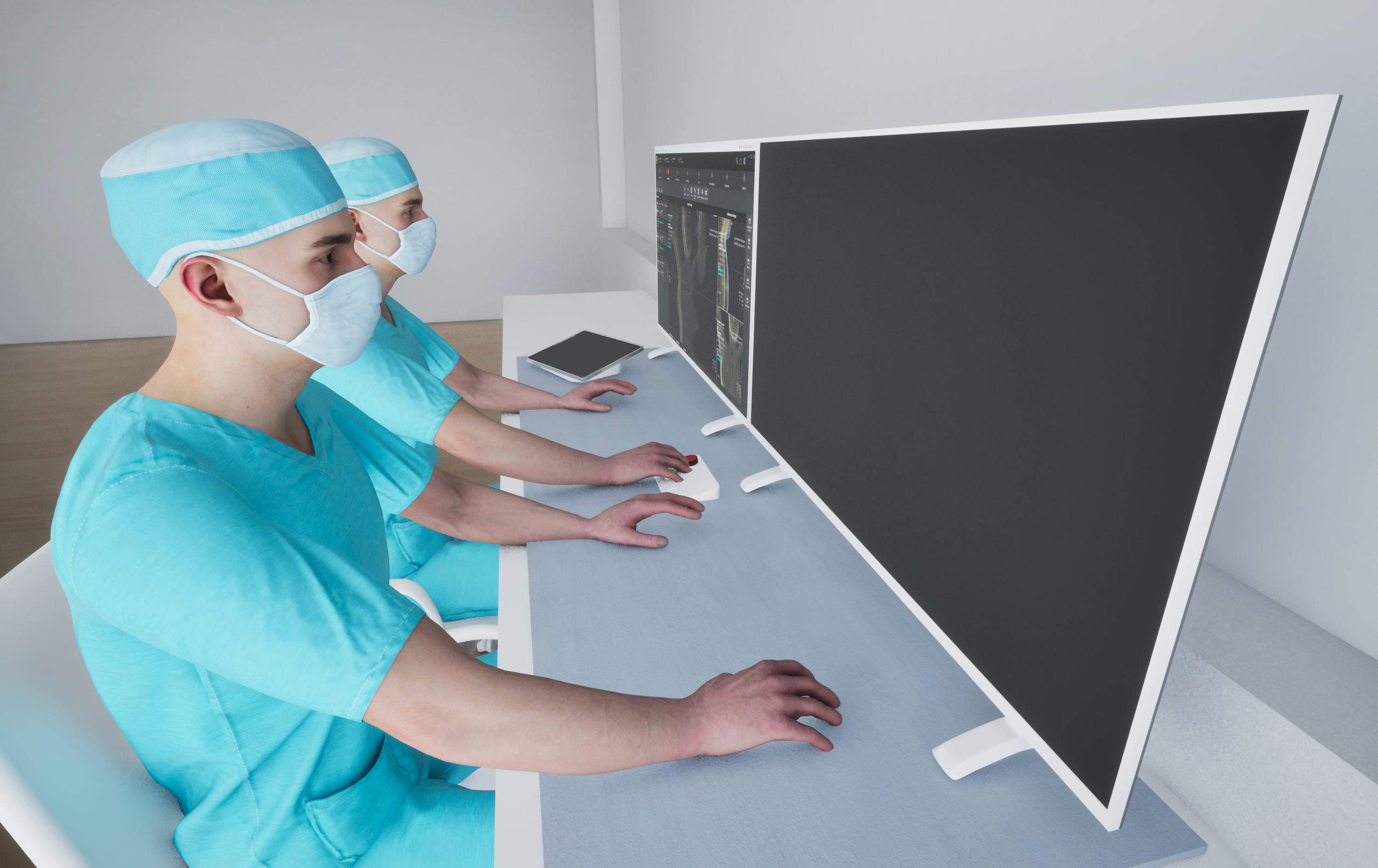
Problematic
Design Challenge
How might we use virtual reality to test and improve the cancer patient journey?
Project overview
Virtual Reality Digital Twin for Rapid Healthcare Prototyping
Cancer treatment pathways involve many stakeholders, from clinicians to engineers, each bringing unique expertise. This React.js and virtual reality digital twin was developed as a collaborative prototyping platform to test, validate, and iterate on ideas before implementation. By simulating the patient journey in an immersive environment, the prototype enables specialists to explore scenarios, identify opportunities for improvement, and refine the care experience through rapid feedback and iteration. Role
Product Design Lead / VR Prototyper
I translated ideas from clinicians, researchers, and engineers into interactive prototypes that could be quickly tested and refined. Using React.js and virtual reality technologies, I built a digital twin of the patient journey to explore concepts, validate assumptions, and support collaborative decision-making. My role focused on rapid prototyping, user experience design, and iterative development, enabling multidisciplinary teams to evaluate solutions before implementation. Skills
Healthcare UX
Immersive Design
Reactjs
Prototyping
Unreal Engine
Cross-Functional Leadership
VR Prototyping
Digital Health
Persona
Engineers
A medical engineer develops and evaluates innovative technologies that improve healthcare delivery. Working closely with clinicians and researchers, they design, test, and validate medical devices and digital solutions to ensure they are safe, effective, and meet clinical needs.
UX Researchers
A UX researcher in healthcare studies the needs, behaviors, and challenges of patients and medical professionals to inform the design of effective digital solutions. Through interviews, observations, and usability testing, they uncover insights that help create safer, more accessible, and user-centered healthcare experiences.
Designers
A designer in medical oncology creates intuitive, patient-centered digital experiences that support cancer care. Working closely with clinicians, patients, and engineers, they research user needs, prototype solutions, and iterate designs to improve the patient journey and enhance healthcare delivery.
Design Process
01
Sketches
Created narrative and spatial sketches to define user comfort zones, guidance cues, and transitions between treatment stages.
02
Concepts
Developed multiple VR interaction concepts and translated them into flow wireframes for onboarding, therapy sessions, and recovery.
03
Prototype
Built an interactive VR prototype tested with practitioners and patient representatives for comfort, clarity, and usability.
04
UX Research
The prototype enable specialists and engineers to validate the patient journey, evaluate design choices, and iteratively refine the concept before implementation.
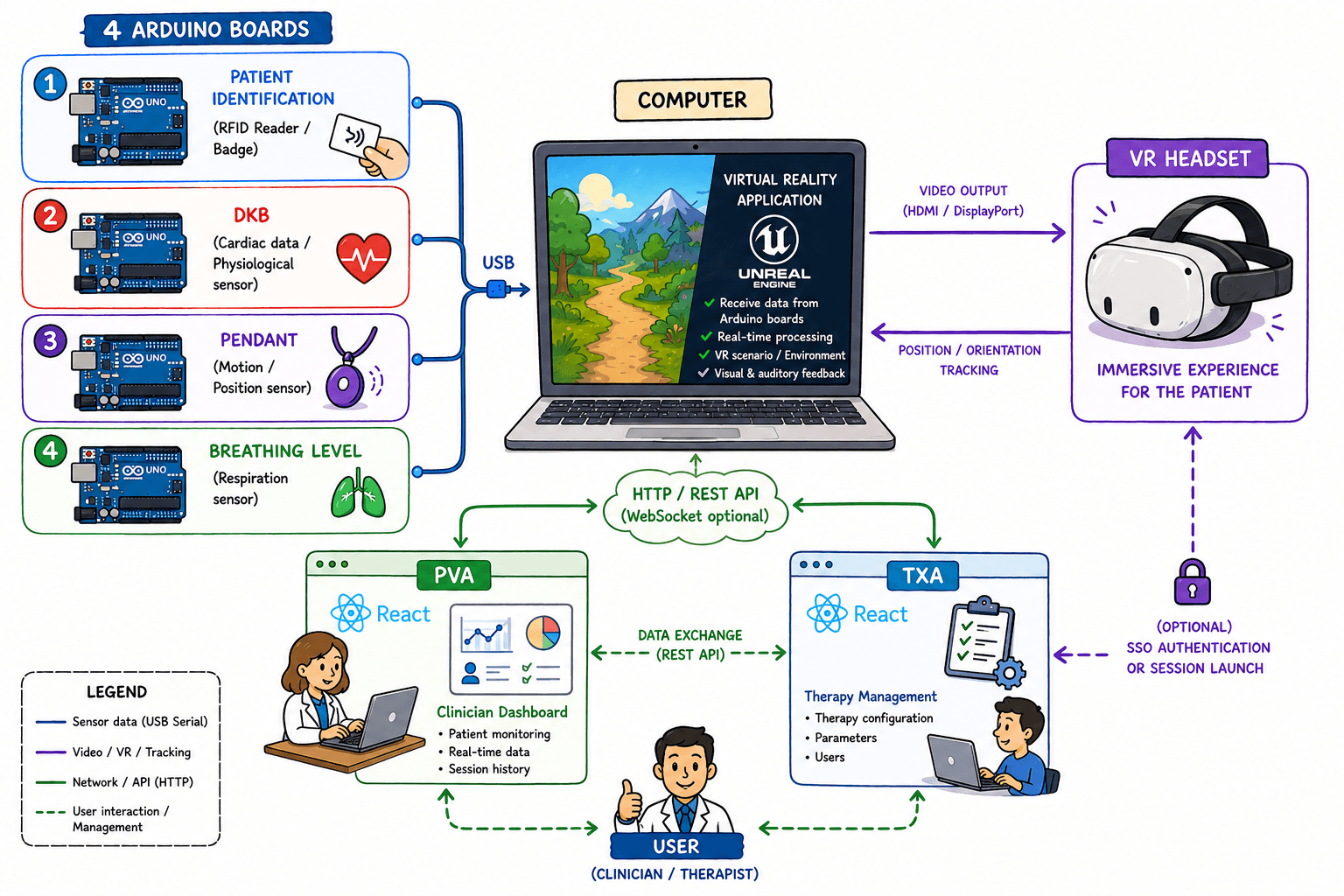
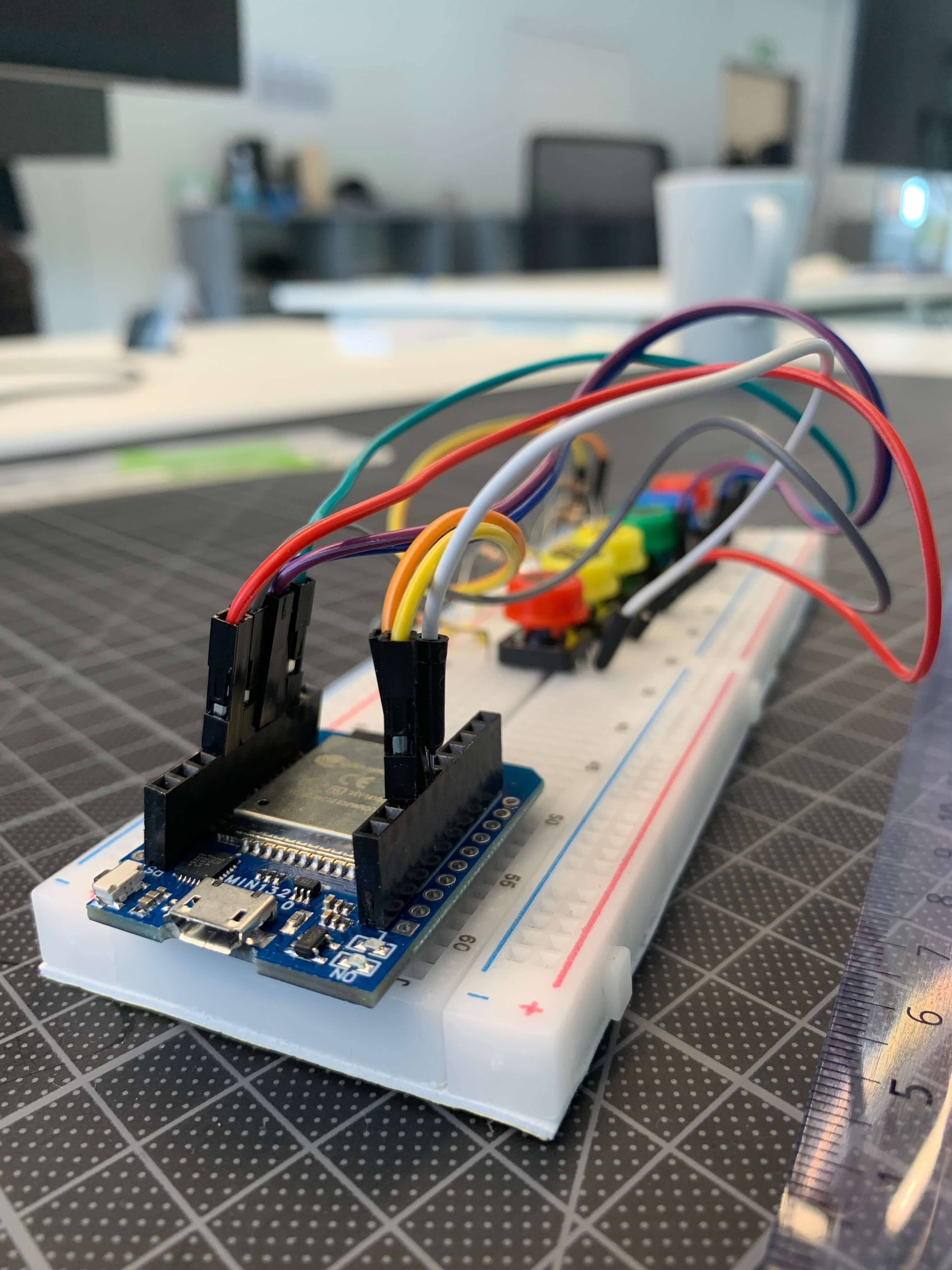
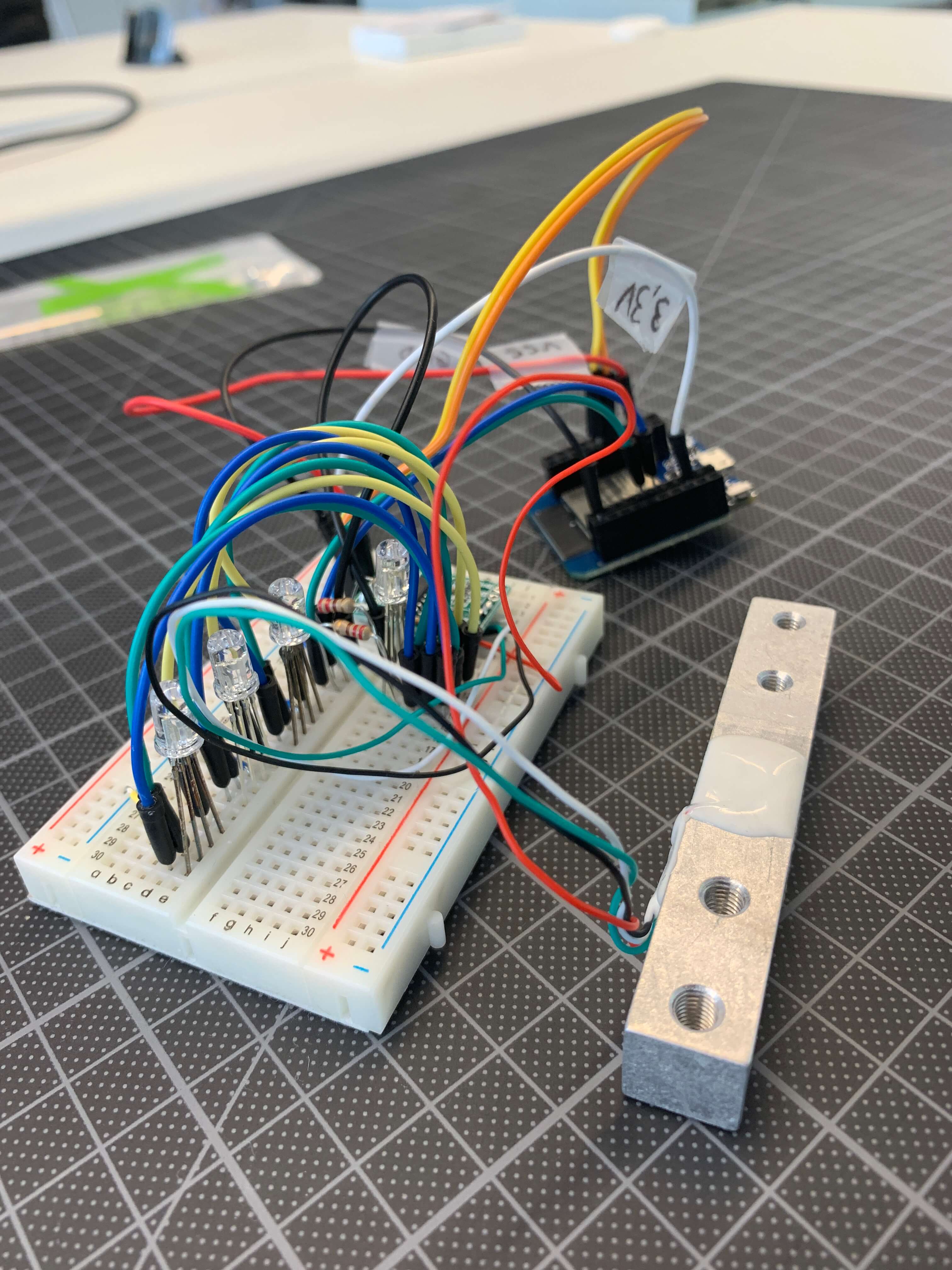
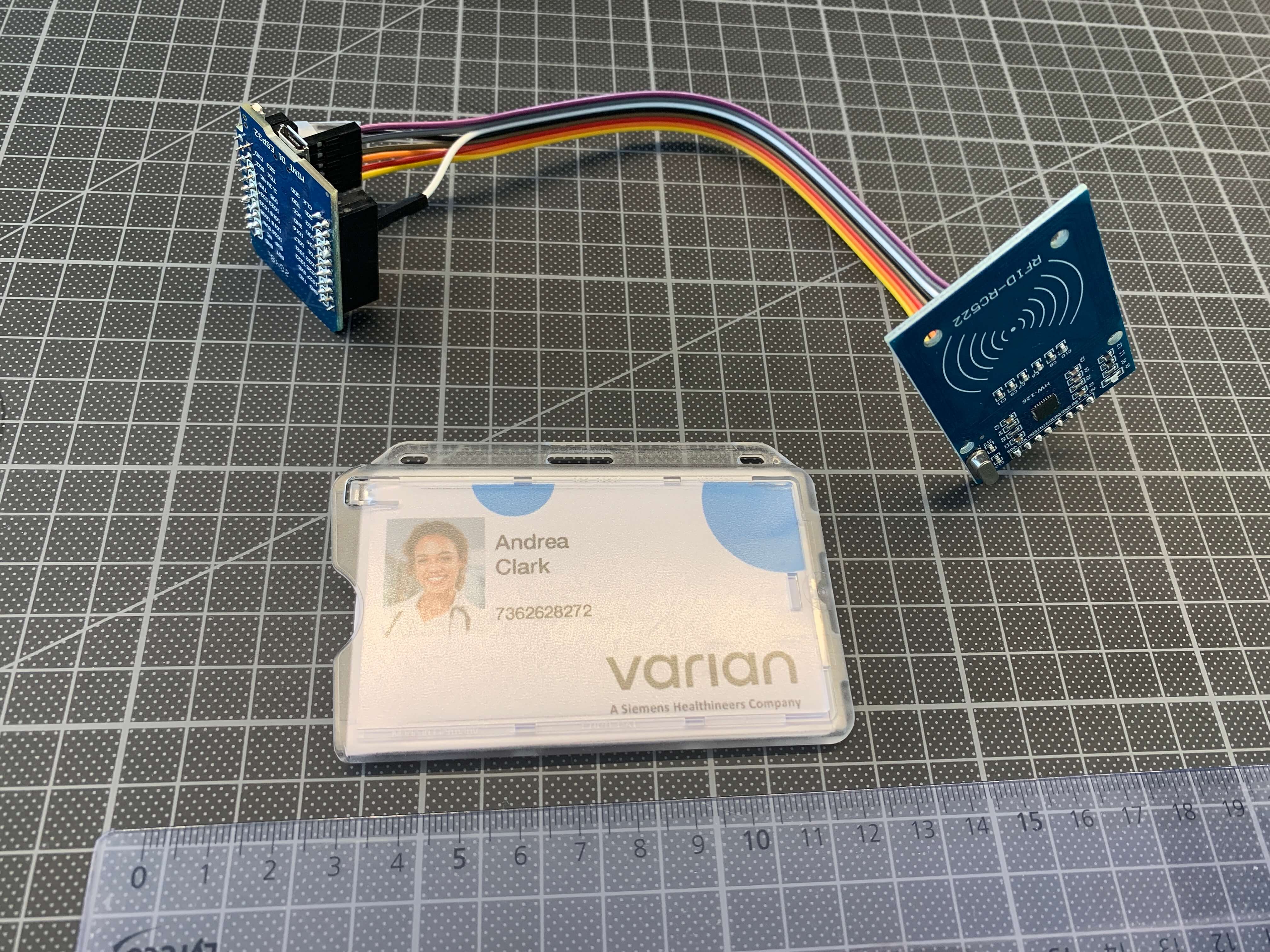
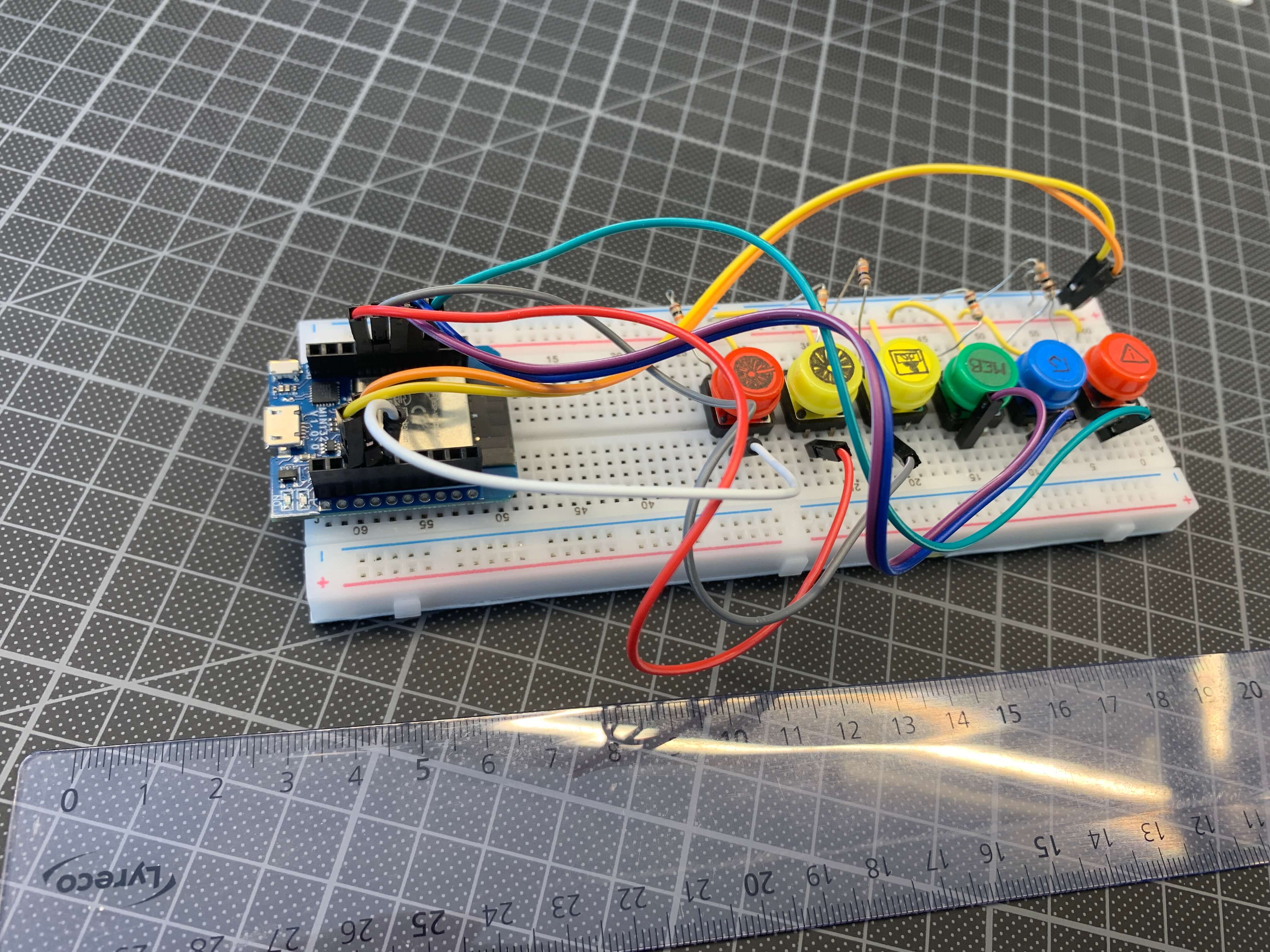
Arduino Prototype
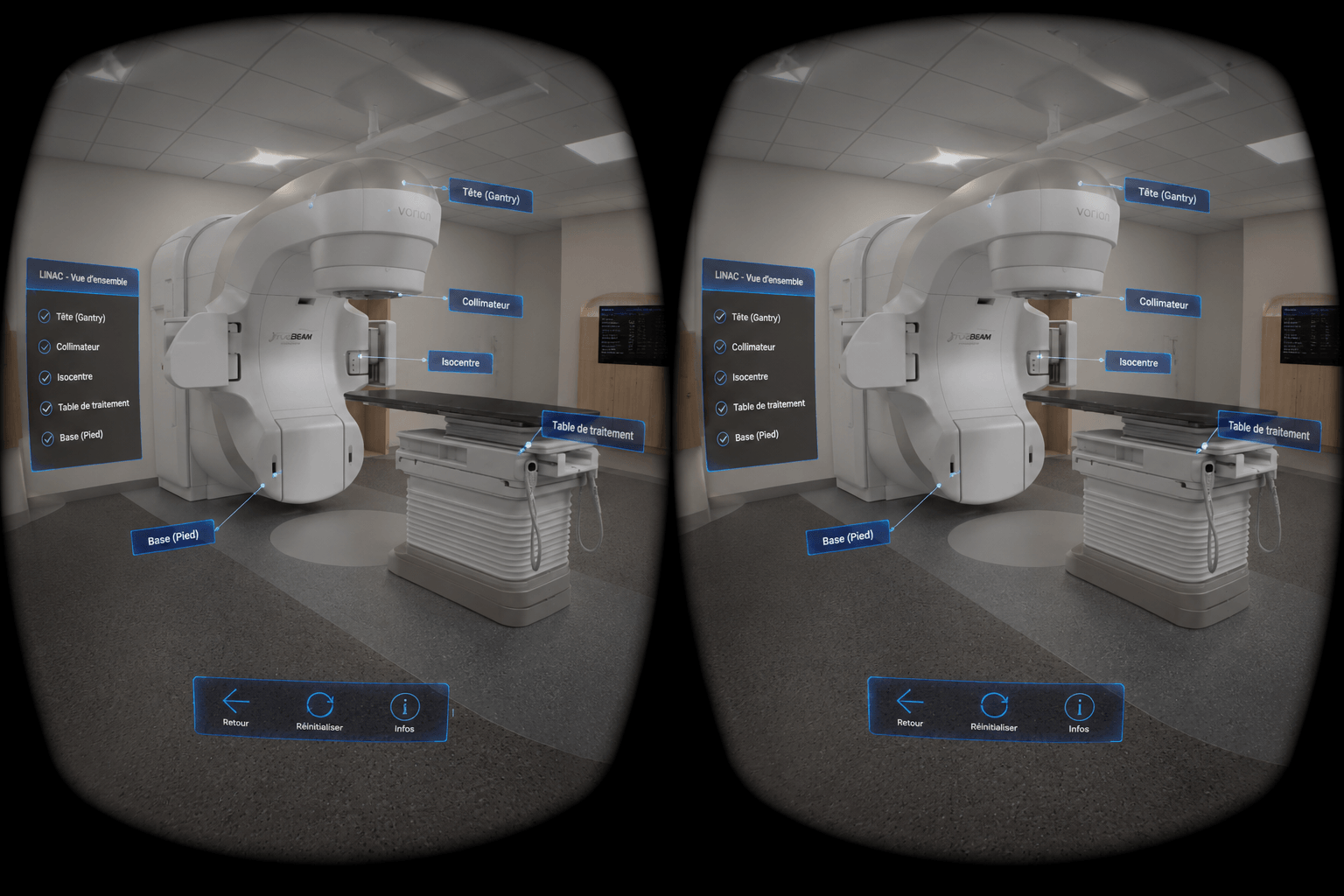
Virtual Reality Prototype